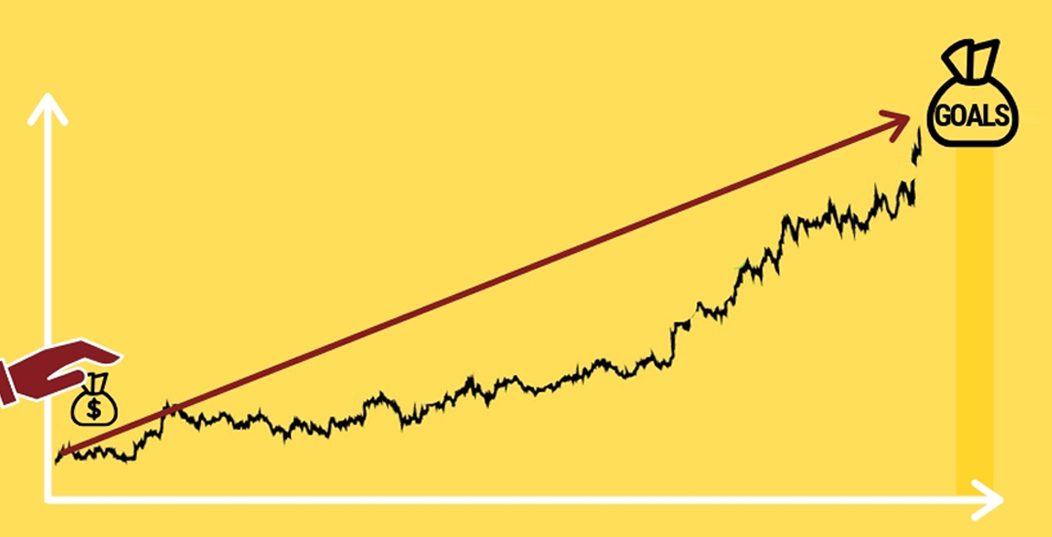
Some people build wealth by buying investments and holding them for years. Others try to profit from price movements that may unfold over days, hours, or even minutes. Both approaches participate in financial markets, but they ask for different amounts of time, attention, patience, and risk tolerance. The choice between long-term investment and short-term trading […]
Some people build wealth by buying investments and holding them for years. Others try to profit from price movements that may unfold over days, hours, or even minutes. Both approaches participate in financial markets, but they ask for different amounts of time, attention, patience, and risk tolerance.
The choice between long-term investment and short-term trading is not simply a matter of which one earns more. Outcomes depend on the assets chosen, market conditions, costs, taxes, and the decisions an individual makes along the way. The better fit is usually the strategy that matches your financial goals and that you can follow consistently, especially when markets become stressful.
Here we compare long-term investment vs short-term trading, including key differences, risks, benefits, returns, and strategies to choose the right approach for your financial goals.
Here is how the two approaches work, what to consider before choosing one, and why some people use elements of both.
What Is Long-Term Investing?
Long-term investing means buying assets with the intention of holding them for an extended period, often several years or longer. Investors may choose individual stocks, bonds, mutual funds, exchange-traded funds, or a mix. Their goal is generally to grow wealth over time, potentially through rising asset values, interest, dividends, or a combination of returns.
Rather than responding to every daily market move, long-term investors tend to focus on broader questions: Does this investment fit my plan? Is my portfolio diversified? Have my goals or circumstances changed? A diversified fund, for example, may give an investor exposure to many companies without requiring them to select and monitor each one individually.
Long-term investing still involves risk. Prices can fall, companies can struggle, and an investment may not perform as expected. A longer time horizon can give an investor more opportunity to ride out some short-term volatility, but it does not guarantee a profit or prevent losses. Investors should also review their portfolios periodically to make sure their holdings still suit their goals and capacity for risk.
What Is Short-Term Trading?
Short-term trading involves buying and selling financial assets over relatively brief periods. A trader may hold a position for minutes, hours, days, or weeks, depending on the strategy. Some traders use technical analysis, chart patterns, market news, or other information to identify potential entry and exit points.
Trading styles vary. Day traders generally close positions before the trading day ends. Swing traders may hold positions for several days or weeks, aiming to benefit from shorter market movements. Other active traders use different time frames and methods. Whatever the style, short-term trading usually requires a clear plan for managing risk, choosing position sizes, and deciding when to exit.
Trading can look exciting because it involves frequent decisions and visible price changes. But frequent activity is not the same as consistent success. Prices can move unexpectedly, and a trading idea can lose money even if the reasoning behind it seemed sound. Active trading may also involve transaction costs, taxes, and substantial time spent learning and monitoring markets.
Key Differences Between Long-Term Investing and Short-Term Trading
| Basis | Long-Term Investment | Short-Term Trading |
|---|---|---|
| Time horizon | Usually several years or longer | Minutes, hours, days, or weeks |
| Main objective | Build wealth over time | Benefit from short-term price movements |
| Decision-making | Less frequent decisions based on business performance, fundamentals, and long-term goals | More frequent decisions based on price movements, market trends, and trading signals |
| Time and attention | Generally requires less day-to-day monitoring | Often requires regular market research and monitoring |
| Trading frequency | Usually low | Usually high |
| Research approach | Focuses on financial statements, business quality, valuation, and long-term prospects | Focuses on price charts, technical indicators, market momentum, and short-term news |
| Costs and taxes | Lower trading frequency may reduce transaction costs, but taxes and other costs still apply | Frequent transactions can increase costs and create different tax consequences |
| Risk factors | Market downturns, business performance, valuation, and prolonged losses | Rapid price movements, timing errors, leverage, and emotional decisions |
| Emotional pressure | May involve patience during market volatility | Can involve greater pressure due to frequent decisions and quick price changes |
| Skills required | Fundamental analysis, patience, and portfolio management | Market analysis, risk management, discipline, and timely execution |
| Potential returns | May benefit from business growth and compounding over time, but returns are not guaranteed | Depends on trading performance after costs; losses can occur quickly |
| Suitable for | People focused on long-term financial goals | People who understand trading risks and can devote sufficient time |
| Example | Holding shares of a fundamentally strong company for five years | Buying shares and selling them a few days later based on price movements |
Important: Neither approach guarantees profits. Long-term investing still carries market risk, while short-term trading can lead to rapid losses. Choose an approach based on your financial goals, risk tolerance, available time, and investment knowledge.
Potential Benefits and Challenges of Long-Term Investing
One attraction of long-term investing is its focus on a meaningful goal rather than every short-term move. Investors who contribute regularly and stay aligned with a plan may find it easier to avoid reacting to headlines. A long holding period can also mean fewer trades, which may reduce certain transaction costs compared with frequent activity.

However, patience is not always easy. When markets fall, long-term investors may question their choices. A poorly diversified portfolio or an investment selected without adequate research can create problems that time alone will not fix. Investors also need to consider inflation, changing needs, and whether their portfolio’s risk level remains appropriate as their goals approach.
Potential Benefits and Challenges of Short-Term Trading
Short-term trading may appeal to people who enjoy researching markets and making structured, frequent decisions. Traders can define their own methods, time frames, and risk limits. The learning process may also help them understand how markets respond to news, liquidity, and changes in investor expectations.
The challenges are significant. Trading requires discipline, and a promising strategy may perform poorly in different market conditions. A string of losses can tempt someone to take bigger risks to recover quickly. Frequent activity can also consume time and attention, while costs and taxes may affect results. It is wise to be cautious about claims of easy, guaranteed, or rapid returns; no trading method can promise those outcomes.
How to Choose the Right Approach for You
Start with your financial goal. Are you setting money aside for a goal many years away, or exploring a short-term strategy with money you can afford to put at risk? Consider when you may need the funds. Money set aside for essential expenses or a near-term obligation generally calls for careful planning rather than exposure to market swings you cannot tolerate.
Next, consider your temperament and schedule. Could you stay with a long-term plan during a market downturn? Do you genuinely have the time, knowledge, and emotional discipline to follow a trading plan? Be honest about your experience. If frequent market monitoring would create anxiety or distract you from other priorities, active trading may not be a good match.
Also think about your risk capacity, not just your willingness to take risk. Risk capacity is shaped by factors such as income, savings, debt, investment horizon, and financial responsibilities. Someone who is comfortable with volatility may still have limited capacity to absorb losses if they need the money soon.
Before making a decision, it can help to:
- Write down your goal, time horizon, and the amount you can invest.
- Learn how each investment works, including its risks and costs.
- Set rules for contributions, portfolio reviews, and risk management.
- Avoid investing money you need for essential expenses.
- Seek guidance from a qualified financial professional if your situation is complex.
Can You Combine Investing and Trading?
Some people maintain a long-term portfolio while setting aside a separate, limited amount for active trading. If you consider this approach, keep the purposes of the two parts distinct. Your long-term investments should continue to serve their planned goals, while any trading activity should follow clear boundaries for acceptable losses, position sizes, and review.
Separating the money can make it easier to see whether trading is meeting your expectations without putting essential goals at unnecessary risk. Keep records of decisions and results, and review them over a meaningful period rather than judging a strategy by one successful trade. If the approach is causing financial strain or persistent stress, reassess it.
The Bottom Line
Long-term investing generally centers on gradual wealth building and goals that unfold over years. Short-term trading focuses on nearer-term price movements and often requires more frequent decisions, time, and risk management. Neither approach is universally best, and neither guarantees positive results.
The right choice depends on your goals, time horizon, financial situation, knowledge, and comfort with risk. Take time to understand the trade-offs, make a plan you can follow, and avoid decisions based on pressure or promises of quick gains. A thoughtful strategy is more useful than choosing an approach simply because it is popular.
This article is for educational purposes only and is not personalized financial advice. Consider speaking with a qualified financial professional before making investment decisions.